
Individual Investors' Buying Slumps to One-Tenth as July Crash Trauma Lingers
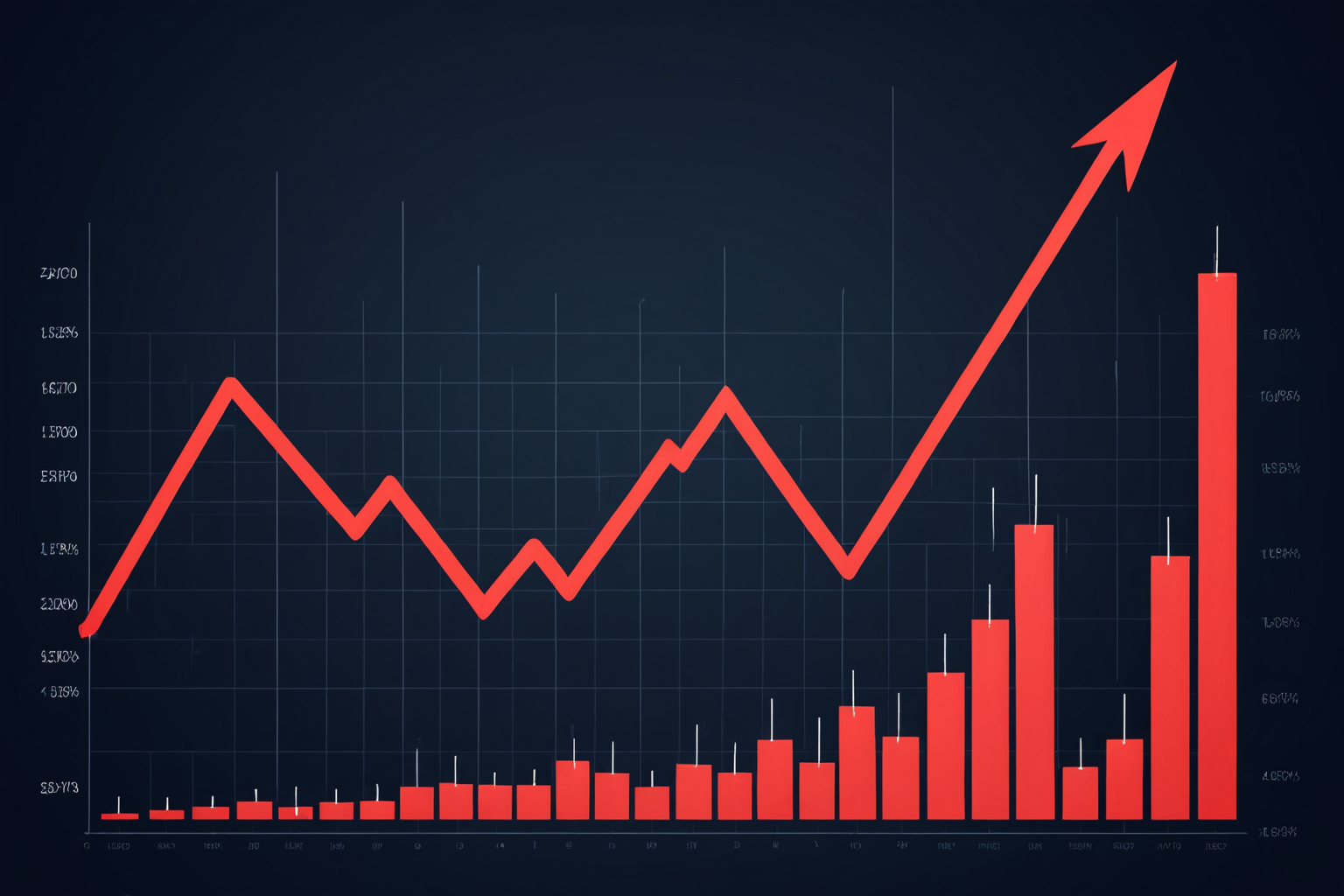
August saw a withdrawal of 120 trillion won in personal funds—more than during the financial crisis.
Personal net purchases fell from 54 trillion won to 5.4 trillion won.
Investor deposits also dropped below 100 trillion won.
'Other corporations' as a safety net, but only for up to one month.
Expectation of foreign inflows due to stronger won.
The 'battle ants' were the main drivers behind the stock market rally that began in November last year. Until July, when foreigners sold nearly 200 trillion won worth of stocks on the Kospi, individuals bought 140 trillion won aggressively, driving the bull run. A 'money move' from savings to stocks also emerged.
However, these individual investors have been hesitant since the market correction trauma in July. Investors who bought at high levels are selling when the index rises slightly, capping gains. Foreigners and institutions continue net selling, creating a 'supply-demand vacuum' as all three major buyers disappear.
Individuals, foreigners, and institutions hesitating
According to Shinyoung Securities Research Center, personal investment inflows have been positive every month from January to July this year, totaling over 120 trillion won. This surpassed the annual net inflow of 75 trillion won recorded during the peak of the 'Eastern Learning Ants Movement' in 2021 within just seven months. However, the trend reversed last month. After the sharp decline at the end of July, capital flowed out of the market for the first time this year. Kim Hakyun, head of Shinyoung Securities Research Center, stated that liquidity typically follows stock movements, but after the Kospi's sharp drop in July, a large amount of capital left in August.
The trend is clear even when including margin and credit trading. Personal net purchases on the Kospi fell from 54.5 trillion won in June to 5.4 trillion won last month—a 90% decline. On the day the Kospi dropped nearly 4%, individuals bought over 3 trillion won for the first time, but a large-scale net selling is likely to resume. Kim Jun-yeong of iM Securities said, 'The pattern repeats: buying when the index falls below 6500 and heavy selling pressure above 7000.' This indicates that demand to recover losses outweighs expectations for continued upward movement.
Investor deposits have been below 100 trillion won for five consecutive trading days.
Individuals aren't the only ones. Foreigners reduced their net selling from 58.7 trillion won in June to 9.9 trillion won last month, but they remain in 'selling mode.' Institutions shifted from net buying to net selling. Han Ji-yeong of Kiwoom Securities explained that individuals are avoiding losses and selling at break-even, institutions are adjusting positions, and foreigners are taking profits and hedging macro risks.
'Safety net disappears within a month'
Only 'other corporations' have been buying more stocks on the Kospi than two months ago. Samsung Electronics and SK Hynix's repurchase of their own shares boosted net purchases from 1.2 trillion won in June to 11.7 trillion won last month. As a result, all three major buyers recorded net selling on July 31 and August 1, with only 'other corporations' buying keeping the index slightly higher.
However, this effect is expected to be temporary. Securities experts predict that if Samsung and SK Hynix maintain their current repurchase pace, purchases could end as early as mid-October. This means the safety net supporting the market will disappear within a month or so.
Experts now say foreign investors hold the key. Kim Center stated, 'Despite strong semiconductor results, the AI growth narrative continues to face threats, making it difficult for individuals with depleted ammunition to lead another rally.' He added that while foreign selling has slowed, expecting their shift to net buying is reasonable.
The recent strengthening of the won also signals positive news for foreign inflows. As of 3:30 PM on August 2, the USD/KRW exchange rate closed at 1368.70, down 12.3% from June's peak of 1561.50.
Korean Source
This article is an English localization of a Korean-language crypto news report. Original headline: 7월 급락 트라우마에 위축된 개미, 순매수 두 달새 10분의 1로